 SearchSolar
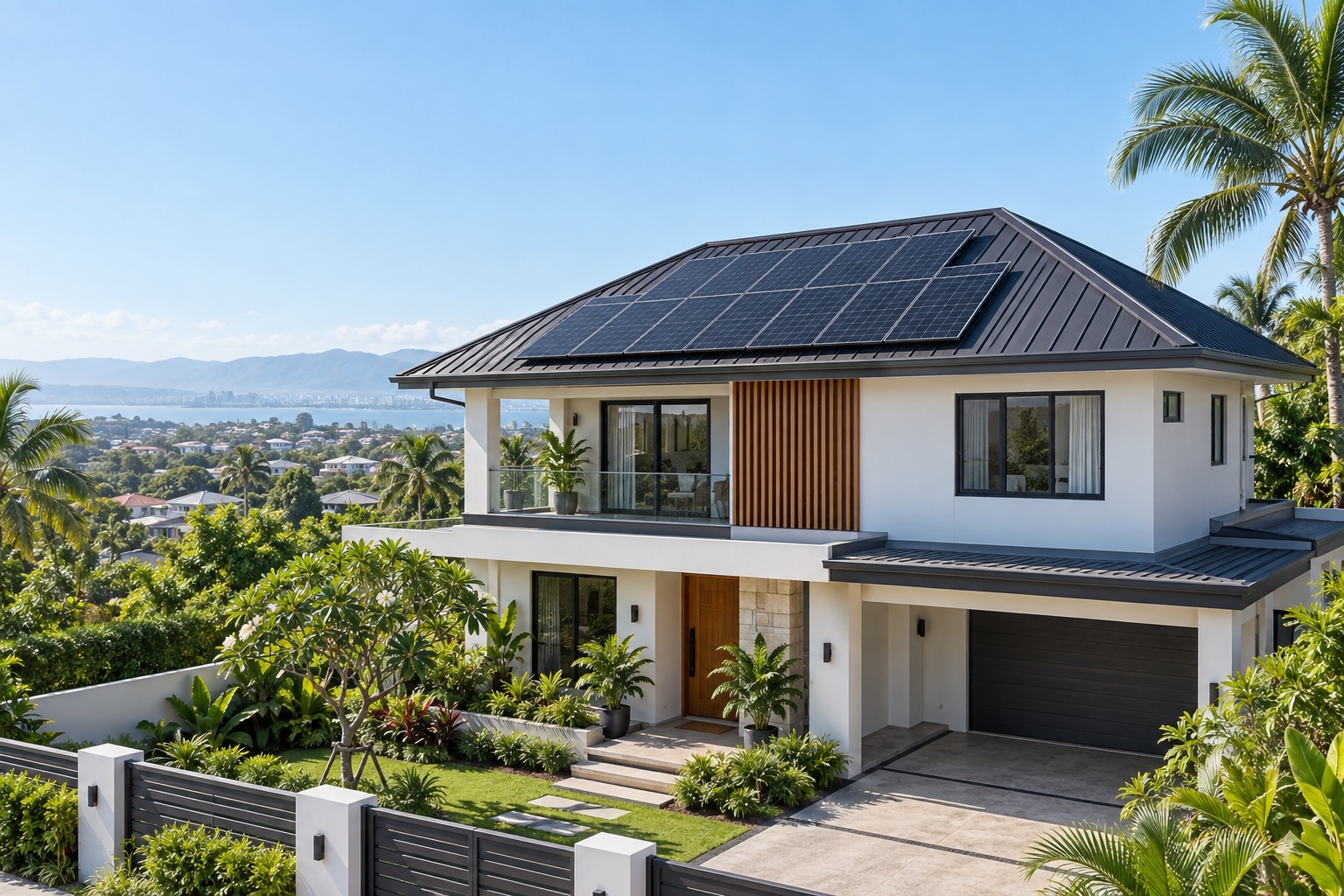
Solar and the Filipino home: who is it for?
Solar is worth exploring when you control a suitable roof, expect to stay for several years and buy enough daytime electricity to use the generation. Home offices, daytime air-conditioning, refrigerators and scheduled pumps can be a better starting point than simply buying the largest array.
A small bill, heavy shade, an aging roof, a short tenancy or almost entirely nighttime use can change the answer. Check efficiency improvements and roof repairs first; battery backup is a separate benefit, not automatically the fastest payback.
Start with the job you want solar to do
Lower bills, backup during outages and long-term energy independence are different goals. The system with the most panels is not automatically the best investment. Start with your electricity use, your roof and what you want to keep running.
These guides explain the decisions behind a proposal. They are not wiring instructions, a site survey or a guarantee of savings. Final equipment, permissions and protection must be checked by your qualified electrical professional and utility.
Your bill + usage times
          |
Roof and electrical survey
          |
Design + price + permissions
          |
Installation + testing
          |
Monitoring + maintenance
Choose your starting point
An estimate is not a final engineered design
A bill-only preview uses assumptions about your tariff, consumption timing and solar resource. An uploaded bill improves the energy baseline, but it does not establish roof strength, usable roof area or hourly appliance demand.
Your final proposal should identify system capacity, battery and backup scope, phase configuration, price, exclusions and validity. Changes to an accepted scope or price should come back as a revised proposal or change order for approval.